
Jean Tatlock’s Tragic Path
American PrometheusThis thread follows Jean’s political and emotional life, her intense relationship with Oppenheimer, and the unanswered questions surrounding her death.
increasing Bearing strength in each event
 decreasing
Bearing strength in each eventdecreasingA Young Medical Student
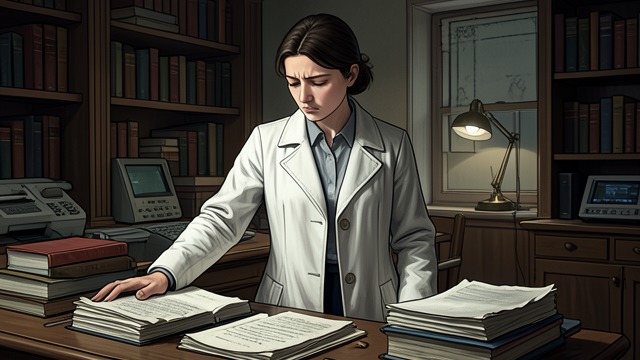
A Young Medical Student
Social conscience
Jean Tatlock pursued medicine while becoming active in Communist Party causes and opposing fascism. She was intellectually ambitious, psychologically perceptive, and deeply sensitive to injustice.
A complicated interior life
Her political commitment did not erase her doubts, private despair, or interest in psychoanalysis. She resisted simple categories, as did the man she would soon love.
A Powerful Attachment

A Powerful Attachment
Intensity and intimacy
Tatlock and Oppenheimer shared literature, political concerns, and psychological interests. Their relationship was passionate, troubled, and repeatedly close to marriage.
A difficult separation
Tatlock rejected Oppenheimer’s final marriage proposal. They remained close, but the rupture left both with continuing feelings and unresolved expectations.
A Last Visit
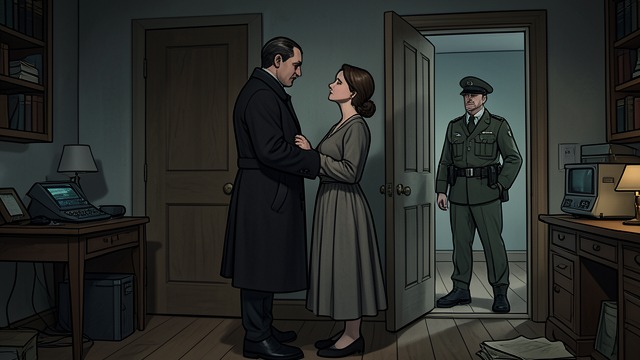
A Last Visit
An intimate farewell
Before leaving for Los Alamos, Oppenheimer spent the night with Tatlock. Military surveillance recorded the visit and treated her political associations as grounds for suspicion.
A final separation
He never saw her again. The meeting revealed that their emotional bond persisted even as his new wartime role narrowed what he could risk.
A Death in the Apartment
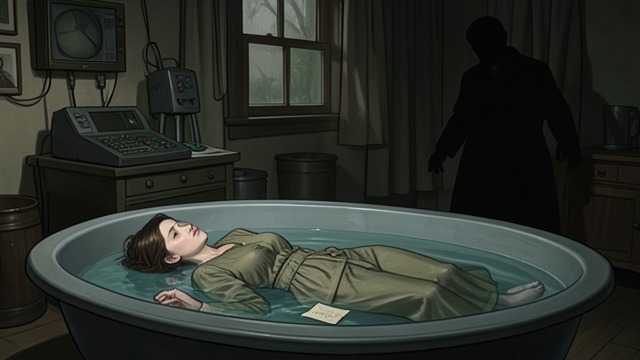
A Death in the Apartment
Suicide ruled
Tatlock was found drowned in her bathtub, with an unsigned note expressing despair. The coroner’s jury ruled suicide, with motive unknown.
Questions remain
Friends recalled her depression and professional hopes, while unusual circumstances later invited speculation. The book presents no evidence proving that she was murdered.
Grief and Responsibility

Grief and Responsibility
A private loss
Oppenheimer learned of Tatlock’s death and walked alone into the surrounding woods. He had cared for her through earlier depressions and now felt that he had failed her.
The first casualty
He had chosen work and family obligations over continued contact. His sorrow contained no easy conclusion, only the painful possibility that ambition had helped separate him from someone he loved.
1933–1936, in California
1936–1939, during their Berkeley relationship
June 1943, in San Francisco
January 1944, on Telegraph Hill
January 1944, after the news reached Los Alamos
